
Understanding Chicken Road Learning Patterns Without Constraints In today’s fast-paced world, adapting to new learning methodologies is essential. The concept of Chicken Road Learning Patterns Without constraints illustrates a unique approach to learning and development. This innovative framework encourages individuals to explore various paths in their educational journeys without the limitations often imposed by traditional...
English ArticlesExploring Chicken Road Learning Patterns Without Constraints
2 sierpnia 2026przez Daniel Chelstowski
Understanding Chicken Road Learning Patterns Without Constraints
In today’s fast-paced world, adapting to new learning methodologies is essential. The concept of Chicken Road Learning Patterns Without constraints illustrates a unique approach to learning and development. This innovative framework encourages individuals to explore various paths in their educational journeys without the limitations often imposed by traditional systems. Whether you’re a student, educator, or lifelong learner, understanding these patterns can empower you to take charge of your learning. For more interactive experiences, check out Chicken Road Learning Patterns Without Real https://chickenroadslot.co.nz/.
The Essence of Chicken Road Learning Patterns
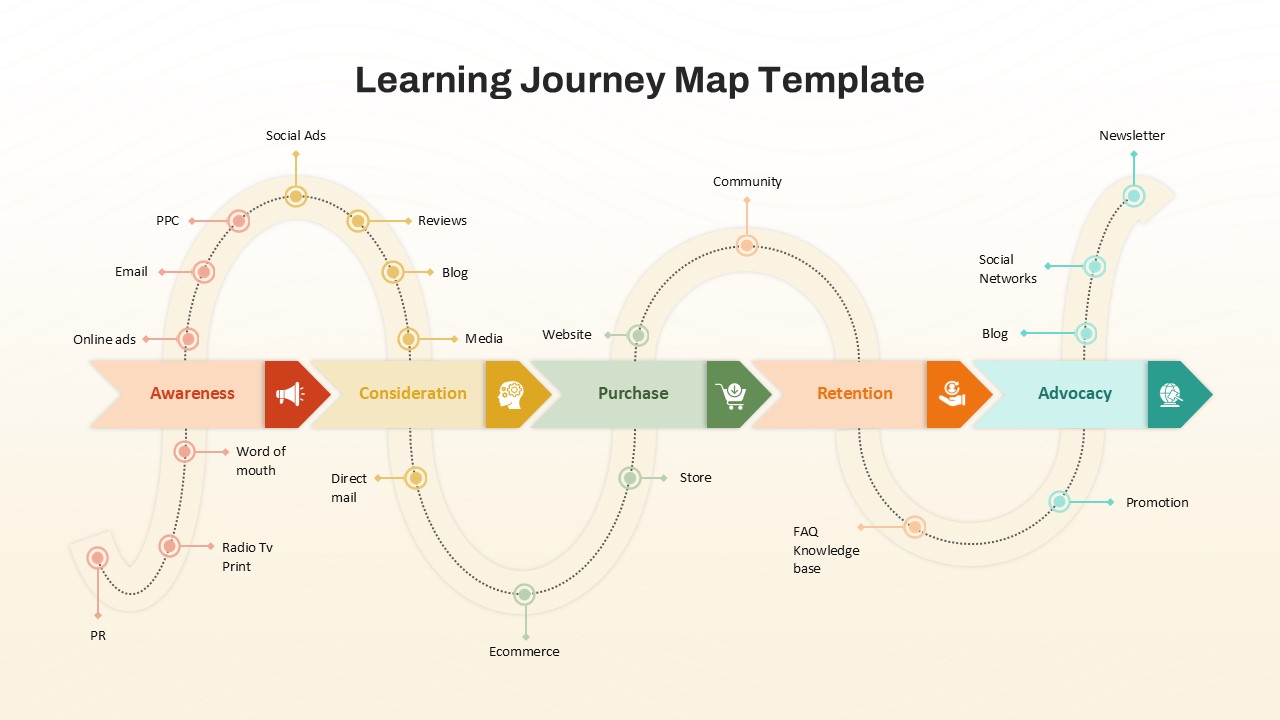
The term „Chicken Road” might sound whimsical, but it portrays a significant idea in educational methodologies. Imagine a winding road that provides multiple routes to a single destination. Each route represents a different learning style, approach, or strategy. In this analogy, learners are encouraged to choose their paths based on their preferences, strengths, and goals, rather than adhering to a predefined course.
Characteristics of Flexible Learning
Flexible learning within the Chicken Road framework encourages creativity, critical thinking, and personal responsibility. Here are some key characteristics:
- Personalized Learning: Learners can tailor their experiences to meet their needs, interests, and pace.
- Collaborative Opportunities: The approach fosters collaboration, allowing individuals to learn from one another and share diverse perspectives.
- Innovative Approaches: Encouragement of innovative and diverse strategies to tackle challenges, making learning more engaging and relevant.
- Real-World Application: Emphasizes the practical application of knowledge, bridging the gap between theory and practice.
Why Embrace Learning Without Constraints?
Learning without constraints can mitigate several traditional educational challenges:
- Reduction of Anxiety: By promoting self-directed learning, individuals can pursue topics that captivate them, reducing stress and anxiety associated with rigid curriculums.
- Increased Engagement: When learners are free to choose their paths, they become more engaged, which often leads to deeper understanding and retention of information.
- Preparation for the Future: Today’s world is unpredictable. A flexible learning framework prepares individuals to adapt to changes, empowering them in both personal and professional life.
Implementing Chicken Road Learning Patterns
To effectively implement Chicken Road Learning Patterns, institutions and educators can consider the following strategies:
- Diverse Learning Resources: Offer a range of resources, including books, online courses, workshops, and hands-on experiences. This diversity allows learners to pick what resonates with them.
- Mentorship Programs: Pair learners with mentors who can guide them along their chosen paths, providing valuable insights and encouragement.
- Feedback Loops: Establish robust systems for feedback that allow learners to reflect on their progress and adjust their learning strategies as needed.
- Community Building: Create a sense of community that encourages learners to share their journeys, fostering collaboration and support among peers.
Case Studies of Successful Implementation
Several educational institutions and organizations have successfully embraced the Chicken Road Learning Patterns approach:
1. Online Learning Platforms: Websites like Coursera, Udacity, and Khan Academy allow learners to choose courses that align with their interests and career goals, offering flexibility in a structured format.
2. Progressive Schools: Some progressive schools implement project-based learning where students select topics of interest, collaborating with teachers to design their learning journeys.
3. Corporate Training Programs: Many companies have shifted towards employee-driven training programs, allowing employees to choose skill development paths that best fit their career aspirations and personal interests.
Challenges of the Chicken Road Approach
While there are numerous benefits to the Chicken Road Learning Patterns, challenges do exist:
- Self-Discipline: Some learners may struggle to maintain motivation and discipline without structured guidance.
- Resource Accessibility: Not all learners have equal access to diverse resources, which can create disparity in learning opportunities.
- Assessment Difficulties: Traditional assessment methods may not effectively measure the broader competencies gained through self-directed learning.
Conclusion
Embracing Chicken Road Learning Patterns Without constraints offers a promising pathway to revolutionize the educational landscape. By recognizing the uniqueness of each learner and allowing for flexibility in their educational journey, we can foster a generation of critical thinkers, innovators, and lifelong learners. As we continue to explore and refine these methodologies, the goal should be to create an inclusive environment where all learners can thrive.

In conclusion, the Chicken Road framework embodies the future of education, promoting adaptable methods that align with the needs of learners in a rapidly changing world. These patterns not only enhance personal growth but also prepare individuals for the complexities of life and work in the 21st century.