
Are There Any Casinos Not Subject to Regulation? In the ever-evolving landscape of gambling and gaming, one might wonder if there exist casinos that operate outside the scope of regulatory frameworks. The answer is multifaceted, as it involves understanding various jurisdictions, the nature of different gambling establishments, and how they adhere to or elude regulatory...
English ArticlesAre There Any Casinos Not Subject to Regulation
12 sierpnia 2026przez newhorizons

Are There Any Casinos Not Subject to Regulation?
In the ever-evolving landscape of gambling and gaming, one might wonder if there exist casinos that operate outside the scope of regulatory frameworks. The answer is multifaceted, as it involves understanding various jurisdictions, the nature of different gambling establishments, and how they adhere to or elude regulatory oversight. To start this journey, let’s visit are there any casinos not on GamStop midlandrailway.org.uk, where we delve into the intricate web of laws and operational standards that govern casinos worldwide.
Understanding Casino Regulations
Casino regulations are primarily established to ensure fair play, prevent fraud, protect consumers, and safeguard the integrity of games. Most countries have well-defined legal structures concerning gambling operations, which include licensing requirements, age restrictions, and anti-money laundering measures. These regulations can vary greatly from one jurisdiction to another. For instance, in the United States, each state has its own laws governing gambling, leading to a patchwork of regulations across the country.
Types of Casinos
There are various types of casinos, each subject to different levels of regulation, including:
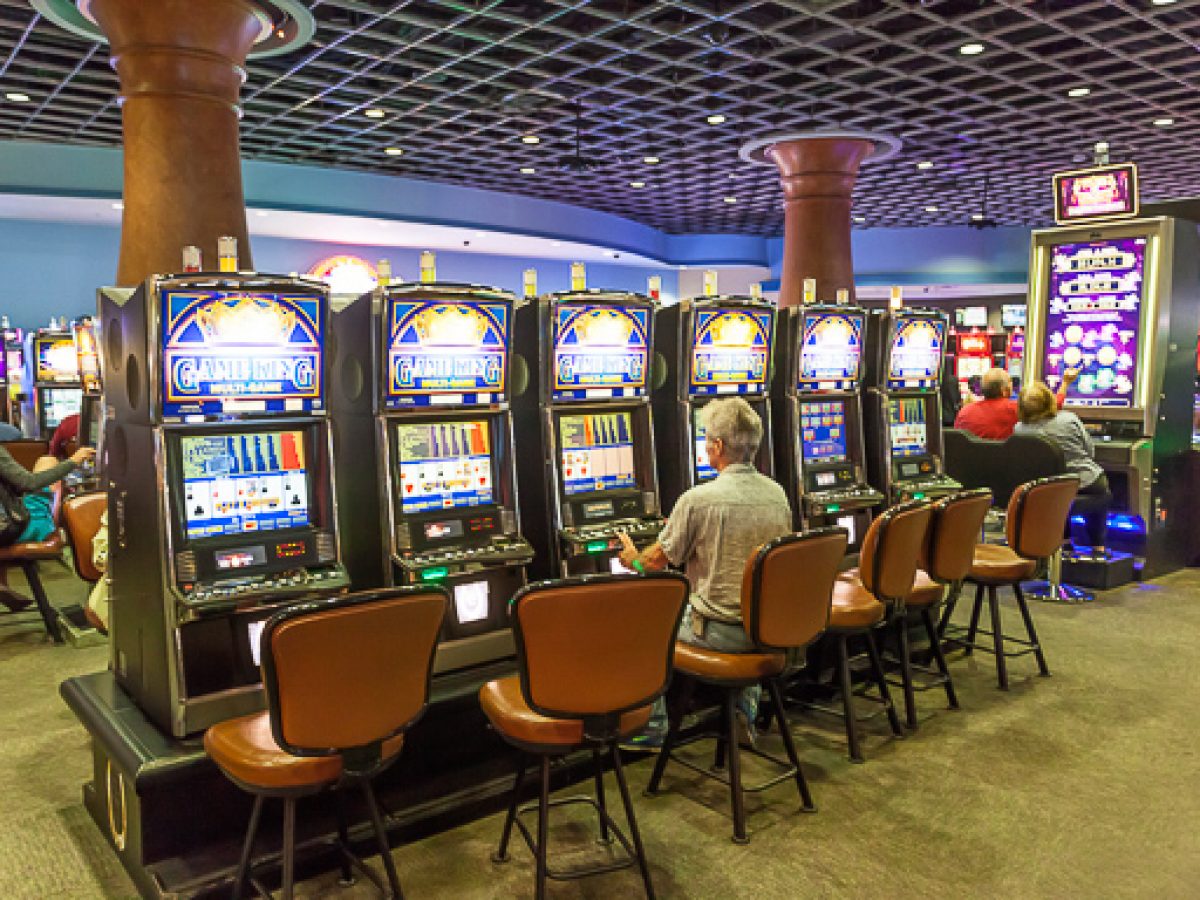
- Land-Based Casinos: These are the traditional brick-and-mortar establishments commonly found in gaming hotspots like Las Vegas and Macau. They are heavily regulated and must comply with local, state, and federal laws.
- Online Casinos: The rise of the internet has given birth to online casinos, which might operate under different jurisdictions, making regulatory oversight more complex. Some online casinos operate legally, while others might skirt regulations in less-restrictive jurisdictions.
- Micro-Casinos: Smaller casinos, often located in remote areas or limited in size, may benefit from more lenient regulatory scrutiny or special licenses.
- Social Casinos: These platforms offer gaming experiences without the risk of losing real money. However, they operate in a gray area concerning regulations, as they don’t fit the traditional definitions of gambling.
Casinos Operating Outside Regulatory Frameworks
While most casinos operate within regulated frameworks, there are exceptions. Some establishments attempt to evade regulation through various means:

- Unlicensed Casinos: In some jurisdictions, unregulated casinos operate without official licenses, often in hidden or underground locations. These establishments do not adhere to any legal standards, putting players at risk.
- Cryptocurrency Casinos: The emergence of cryptocurrencies has led to the creation of online gambling sites that often claim to operate anonymously. While they might offer unique gaming experiences, they can exist in jurisdictions with lax regulations regarding digital currencies.
- International Jurisdictions: Some casinos are set up in countries with minimal gambling regulations, attracting operators looking to exploit the lack of oversight. The legality of these establishments can be murky, depending on the laws of the players’ home countries.
The Risks of Unregulated Casinos
Engaging with unregulated casinos can pose significant risks to players:
- Fraud and Scams: Without regulatory oversight, players are more vulnerable to fraudulent activities, such as unfair games or withheld winnings.
- Lack of Consumer Protection: In a regulated environment, players enjoy protections, such as fair gaming practices and dispute resolution options. Unregulated casinos frequently lack these safeguards.
- Legal Consequences: Players participating in unregulated gambling venues may face legal repercussions depending on local laws, including fines and criminal charges.
Conclusion
In summary, while most casinos operate within regulatory frameworks designed to protect players, there are indeed establishments that function outside these regulations. It is crucial for gamblers to remain aware of the legal landscape surrounding their gaming activities to ensure safety and fairness. Whether engaging with land-based or online casinos, always seek out licensed and regulated options to protect your interests and enhance your gaming experience. As the world of gambling continues to evolve, staying informed will empower players and help them navigate the complexities of casino regulations.