
The Chicken Road Confidence Bias: Navigating Decisions in Gaming and Life The Chicken Road Confidence Bias Chicken Road game has quickly gained popularity among casual gamers, combining simple mechanics with strategic depth. However, beyond the amusing premise of crossing a whimsical road, the game embodies a psychological phenomenon known as the Chicken Road Confidence Bias....
English ArticlesUnderstanding the Chicken Road Confidence Bias
2 sierpnia 2026przez newhorizons

The Chicken Road Confidence Bias: Navigating Decisions in Gaming and Life
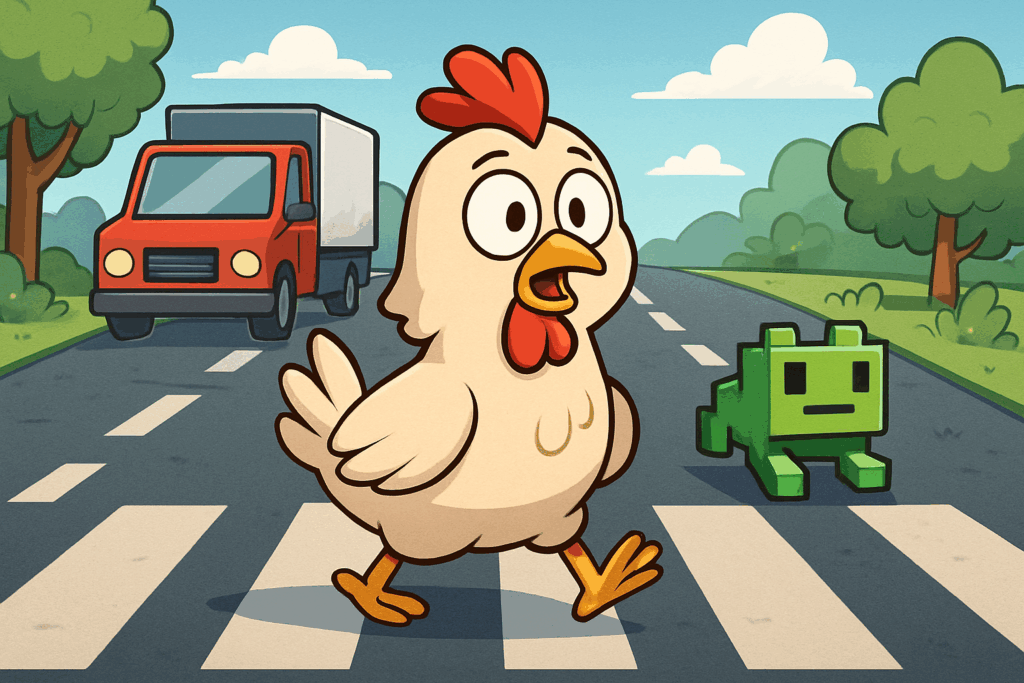
The Chicken Road Confidence Bias Chicken Road game has quickly gained popularity among casual gamers, combining simple mechanics with strategic depth. However, beyond the amusing premise of crossing a whimsical road, the game embodies a psychological phenomenon known as the Chicken Road Confidence Bias. This article will delve into what this bias is, how it manifests in both gaming contexts and real-life situations, and the implications it carries for decision-making processes.
What is the Chicken Road Confidence Bias?
The Chicken Road Confidence Bias is a term coined to describe the tendency of players (or individuals in general) to overestimate their abilities when faced with risky decisions, akin to a chicken attempting to cross a busy road. This bias can lead to overconfidence in one’s decision-making capabilities, often resulting in poor choices, especially in high-stakes scenarios where outcomes are uncertain. It highlights the intricate relationship between confidence, perceived control, and actual outcomes.
The Psychology of Overconfidence
At its core, overconfidence is a cognitive bias that leads individuals to believe they are more skilled, knowledgeable, or adept than they truly are. This phenomenon is extensively studied within psychology and has crucial implications in various fields, from business decisions and investment strategies to everyday life choices.
In the context of the Chicken Road game, players may believe that they can perfectly time their crossings or predict the movements of oncoming obstacles. This overconfidence can lead to repeated failures and frustration, reflecting a deviation from realistic assessment of one’s skill level. A player might think they are 'experts’ at crossing the road when, in fact, they are making impulsive decisions based on an inflated view of their capabilities.
Examples of Chicken Road Confidence Bias in Gaming
To better illustrate this bias, let’s consider some common scenarios in the Chicken Road game:
- Misjudging Obstacles: Players may assume they can dodge an oncoming car without preparing for its speed, only to be caught off guard. This reflects an exaggerated belief in one’s reflexes and timing.
- Ignoring Caution: A newcomer may see experienced players casually crossing and mimic their behavior, disregarding the knowledge that these players have honed their skills over time. This imitative behavior highlights how confidence can mistakenly be perceived as a skill.
- Risky Strategies: Players might opt for overly aggressive strategies, such as sprinting to the other side without properly observing their surroundings, underestimating the potential dangers that lie ahead.
Real-Life Implications of the Chicken Road Confidence Bias
While the Chicken Road game provides an entertaining avenue to explore the confidence bias in a gaming environment, it also reflects broader patterns in real life. Many people face scenarios akin to crossing a road filled with distractions and dangers. Understanding this bias can shed light on some everyday situations, including:
- Investment Decisions: Investors often believe they can 'time the market’ or predict stock movements, which can lead to significant losses due to overconfident trading.
- Participant Behavior in Sports: Athletes may overestimate their strengths in preparation for competitions, leading to lackluster performances due to insufficient training or strategic planning.
- Career Progression: Professionals sometimes assume they are ready for new positions or promotions without adequately assessing their readiness or the responsibilities involved, which can backfire in performance evaluations.
Recognizing and Mitigating the Bias
Awareness is the first step to counteracting the Chicken Road Confidence Bias. Both gamers and individuals in general can benefit from recognized strategies that help mitigate this common pitfall:
- Self-Reflection: Regularly assess and reflect on past decisions and outcomes, learning from both successes and failures can ground one’s confidence in reality.
- Seek Feedback: Engaging with peers or mentors can provide a more objective viewpoint on personal skills and decisions. This process can help identify overestimations of ability.
- Embrace Failure: Understanding that failures are part of the learning process can reduce the fear of making mistakes, leading to more cautious and informed decision-making in the future.
- Incremental Challenges: Instead of attempting grand leaps, start with smaller, manageable challenges that build confidence and skill progressively.
Conclusion: Navigating Your Chicken Road
The Chicken Road Confidence Bias serves as an essential reminder that confidence must be balanced with rational assessment of one’s skills and the environment. Whether navigating a digital game or facing life’s unpredictable scenarios, adopting a mindset rooted in realism can significantly enhance decision-making capabilities. As players cross the Chicken Road, they not only engage with entertainment but also with aspects of themselves that can dictate success or failure beyond the screen. Therefore, it’s essential to remain vigilant and humble, recognizing that while confidence is a powerful ally, unchecked overconfidence can lead one into dangerous territory.